
If your B2B podcast feels like it's running on fumes, there's a good chance you're missing a dedicated podcast producer. Not a part-time editor. Not a marketing coordinator who "handles the pod." A real producer who owns the show from concept to published episode. This guide breaks down what that role actually looks like, what it costs, and how to decide if you should hire one or outsource the whole thing.
A podcast producer is the operational engine behind a show. They make sure episodes get made, sound great, and ship on time. At the most basic level, that means recording coordination, audio editing, and publishing. At the highest level, it means shaping your content strategy, booking guests aligned to your ICP, writing show briefs, and turning raw conversations into demand-gen assets.
The scope depends entirely on the producer's seniority and your show's needs. A freelance editor who cleans up audio is technically a producer. So is a senior strategist who manages your entire content calendar and reports on pipeline attribution. These are very different roles with very different price tags.
For B2B companies, the distinction matters. Your podcast exists to build pipeline, not just an audience. That means your producer needs to understand your buyers, your sales cycle, and how a guest conversation translates into a LinkedIn clip, a sales enablement asset, or a nurture email.
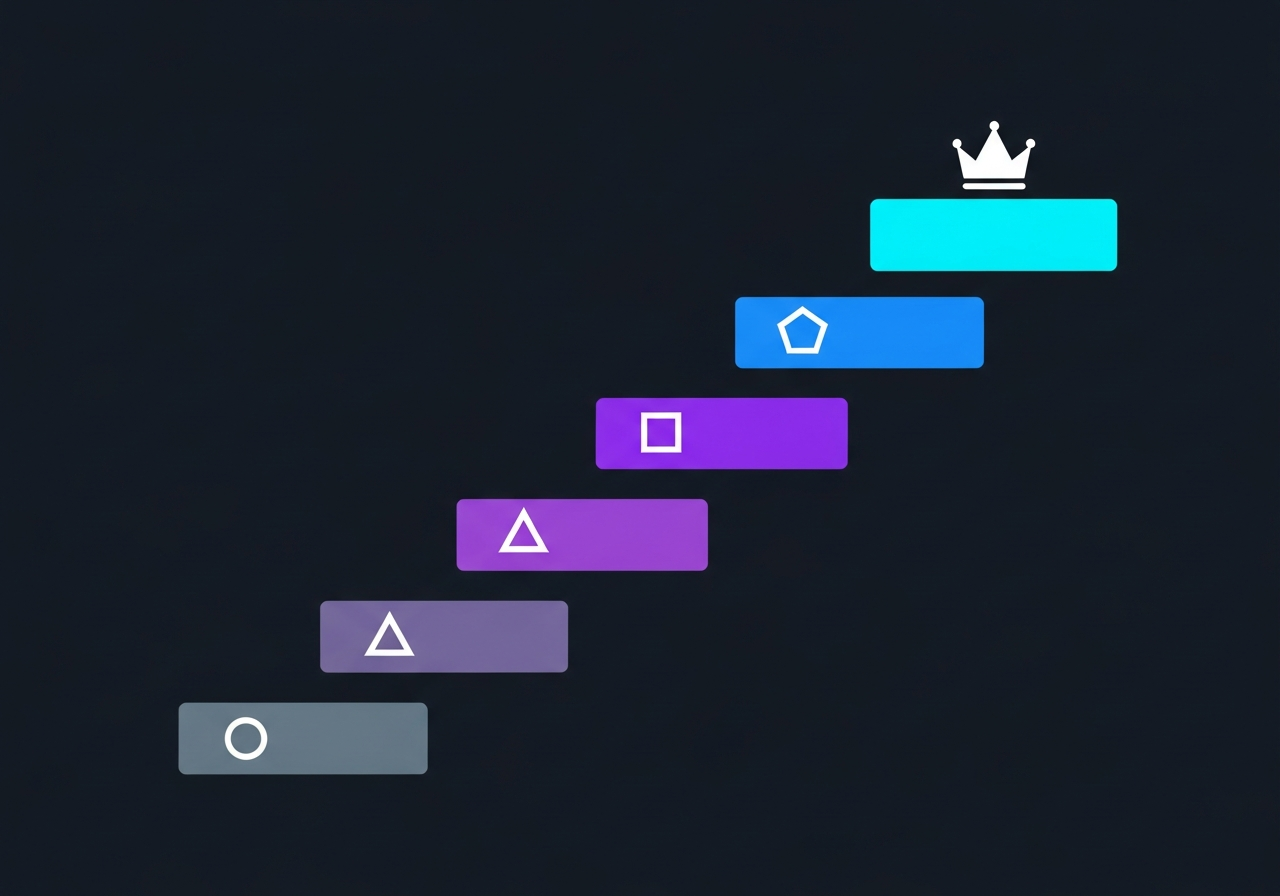
This is where the title gets fuzzy. What a podcast producer actually does can span a surprisingly wide range depending on their level and your show's structure. Here's how it typically breaks down by seniority:

Most B2B podcasts need at least a lead-level producer. If you're expecting your show to contribute to pipeline, someone needs to own the strategy layer, not just the edit.
Running a podcast for a consumer brand is one thing. Running one for a B2B company with a 90-day sales cycle and a 12-person buying committee is another. A strong b2b podcast producer brings a specific mix of skills that go well beyond sound quality.
Guest booking aligned to ICP is the big one. Your producer should understand who your ideal customer is and help you select guests who either are that buyer or influence that buyer. They should be able to write guest prep documents that steer conversations toward your show's strategic themes, not just the guest's talking points.
Beyond that, repurposing is essential. Effective podcast repurposing turns a single episode into multiple demand-gen assets: clips for LinkedIn, quote graphics for newsletters, key takeaways for sales reps to share, and blog posts for organic search. A producer who stops at the audio file is leaving serious value on the table.
Finally, a good B2B producer understands measurement. They should be able to help you track which episodes drive the most engagement, which guests bring in pipeline, and how the show performs as a channel alongside your other content investments.
Cost is where B2B teams get surprised. The range is wide, and the "cheaper" option isn't always what it looks like.
In-house producer salaries typically run $75,000 to $100,000 per year for an experienced hire, according to industry benchmarks. The Bureau of Labor Statistics reported a median salary of $56,600 for broadcast and sound/video technicians as of May 2024, but dedicated podcast producers with strategy chops sit considerably higher. Add benefits, equipment, software, and management overhead and you're realistically looking at $100,000 to $130,000 fully loaded per year.
Monthly retainers for in-house contractors often land between $1,000 and $8,000 per month depending on scope and seniority. This can work well for a show that's already dialed in and just needs execution support.
Agency or outsourced production starts around $2,000 per month for basic packages and scales up to $20,000 per month for full-service strategy, production, and distribution. Mid-tier podcast editing and production services typically run $1,500 to $4,000 per episode for quality-focused work.
There is also a hidden cost that almost every B2B team underestimates: internal time. If a member of your marketing team is spending 8 to 10 hours per episode on production tasks (scheduling guests, editing audio, writing show notes, uploading to your host), that is a significant allocation of strategic salary toward non-strategic work. At a $90,000 salary, 10 hours per episode works out to roughly $430 per episode in labor cost alone before counting lost opportunity cost.
This is the decision most B2B teams sit on too long. Here is a straightforward way to think about it.
Hire in-house if:
Outsource if:
Many teams start with podcast production services through an agency and layer in in-house support as the show scales. That path gives you fast time-to-launch and professional quality without the hiring timeline.
There are also done-for-you podcast solutions that handle everything: strategy, production, distribution, and repurposing under one roof. For resource-constrained B2B teams, this model can generate better results than a single in-house hire who has to cover all those functions alone.
Not sure if you actually need to make a change? These are the clearest signals.
Inconsistent publishing. If you have episodes going out sporadically because "we've been busy," that's a production problem, not a content problem. A dedicated producer creates and holds the system that keeps you publishing reliably.
Your team is producing instead of strategizing. When your marketing manager is elbow-deep in GarageBand instead of building your content distribution plan, you're misallocating your most expensive resource. Production is a skill that can be hired or outsourced. Your team's strategic judgment is harder to replace.
The show isn't generating pipeline. If you have an audience but the show isn't showing up in deal conversations, you may need a producer who can build the bridge between a good episode and a qualified conversation. That includes better episode planning, smarter repurposing, and tighter alignment with your GTM motion.
You're planning to scale. Adding more episodes, launching a new show, or expanding into video all require production infrastructure. Trying to do that without dedicated support leads to quality drops and burnout.
Whether you're hiring in-house or evaluating agencies, the screening criteria should go beyond "can they edit audio." Ask about their experience with B2B brands. Ask how they handle guest prep. Ask what their process looks like for turning an episode into downstream content.
For in-house hires, look for someone with a background in content marketing or brand journalism alongside their production chops. Technical skills can be taught faster than B2B business sense.
For outsourced options, evaluating podcast agencies means looking at their track record with B2B clients specifically, their approach to strategy, and how they measure success. A great agency partnership functions less like a vendor relationship and more like an embedded team member who happens to own the show.
Corporate podcast production services built for B2B have the added advantage of understanding your content ecosystem. They know how to position your show alongside your blog, your sales enablement, and your demand-gen motion rather than treating it as a standalone project.
A podcast producer isn't a luxury for B2B brands that are serious about podcasting as a channel. They're the operational backbone that makes the whole thing work. The question isn't really whether you need one. The question is whether you build that capacity in-house or bring in an outside team who already has it.
Either way, getting clear on what good podcast production actually costs and what the right scope looks like for your stage is the starting point. From there, you can make a decision that's actually grounded in what your show needs to generate pipeline, not just sound good.
Ready to figure out what level of production support your show actually needs? That's exactly what we do at Podsicle Media.





